Atmospheric Observations
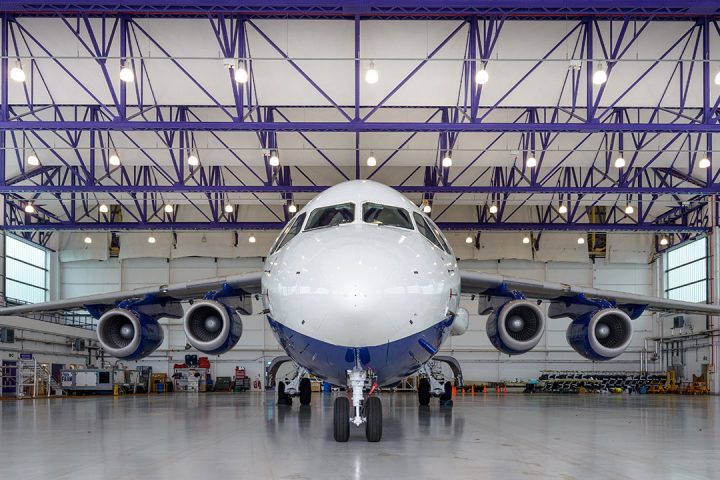
FAAM Airborne Laboratory
The FAAM Airborne Laboratory operates a specially adapted research aircraft to make measurements in the atmosphere.

Atmospheric Observations
The FAAM Airborne Laboratory operates a specially adapted research aircraft to make measurements in the atmosphere.
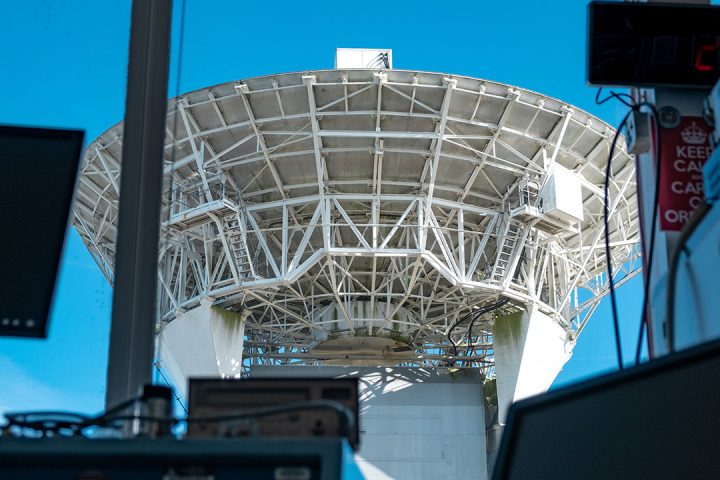
Atmospheric Observations
The Atmospheric Measurement and Observation Facility (AMOF) is a UK research facility that enables advanced measurements of the atmosphere.

Computer Modelling and Data Analysis
The Centre for Environmental Data Analysis (CEDA) provides data storage and analysis capabilities for the environmental research community.
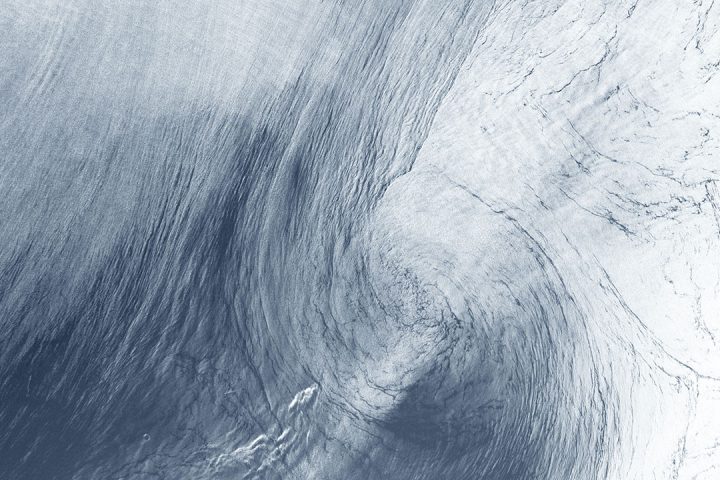
Computer Modelling and Data Analysis
The Computational Modelling Services (CMS) supports computer simulations for climate, weather and earth-system research.
We outline our research priorities over the next 5 years, which aim to fulfil our vision to be a global leader in atmospheric science, advance the understanding of our changing environment, and enable society to adapt for the future.
We provide world-class training to develop atmospheric science skills across academia, government, and industry. From hands-on courses to PhD partnerships, we support learners at all career stages and ensure they can meet the demands of a fast-changing research and policy landscape.
We have a track-record of informing debate, enhancing decision making, and supporting evidence-based policy development and regulation with impartial evidence and advice – across the UK and internationally.
Discover our latest science papers, research reports and datasets.