
Theme Leader
Dr Till Kuhlbrodt
till.kuhlbrodt@ncas.ac.uk
Theme Director
Professor Jacqui Hamilton, Science Director
jacqui.hamilton@ncas.ac.uk
Long-term Global Change
Our atmosphere is changing faster than ever before in human history. These changes are almost entirely caused by humans, and are having a big effect on our climate and air quality.
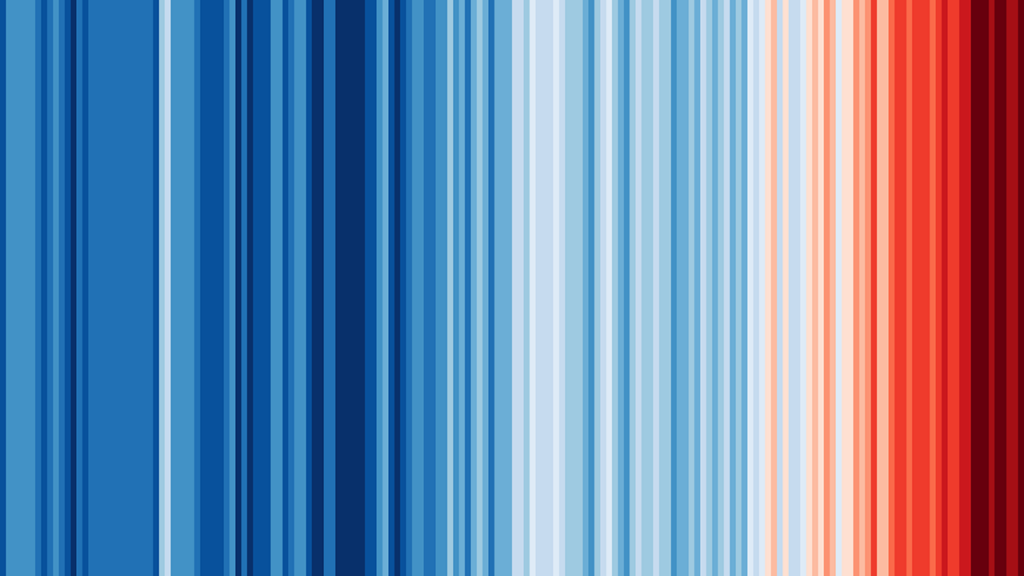
The average temperature of the planet has risen by around 1°C since the industrial revolution and the last ten years was the warmest decade on record.
The dramatic rise in global temperatures and increase is caused by human emissions of greenhouse gases into the atmosphere, from activities such as burning fossil fuels, agriculture, deforestation. These changes are responsible for widespread and long-term changes to our climate. They represent an unprecedented global challenge.
We seek to find out how our atmosphere is changing, and what this means for our climate and air quality. Our research helps society to mitigate and adapt to future changes. We provide a trusted source of expertise on the science behind the climate crisis.
Our approach combines modelling expertise, long-term observations of the atmosphere, and laboratory studies. We are able to monitor climate change at regional and global scales. We also have the ability to improve long-term climate predictions and early-warning systems.